Unlocking Comfort: a sort of Comprehensive guide for neck pain that actually sticks away

In our fast paced , screen dependent world, ongoing discomfort in the upper spine has become a modern sort of epidemic. Whether you’re bending for hours over a laptop or just staring down at a smartphone, the physical toll is undeniable. You are not alone in this struggle, and finding neck pain relief is not only about comfort . It’s also about taking back your quality of life, like more energy, easier movement, less annoyance. In this guide we’ll look at practical strategies, small ergonomic changes, and these holistic habits that can help you bring back your movement range and live with less pain.
Roots of Neck Pain Relief, explained a bit more
For real neck pain relief to happen, we first need to get clear on what causes that discomfort in the first place. The cervical spine is basically a network of nerves , bones , and muscles built to hold the weight of your head. When posture goes sideways—sometimes called tech neck—you end up dumping a lot of extra load on those tissues. Spotting these causes is the first real step toward getting better. If you adjust the way you move daily, your body can start to repair itself, more naturally, not just leaning on a quick temporary fix .
Putting in place solid Neck pain relief strategies that actually work
Getting a steady routine going is often what helps most with long term, stubborn tension. It’s not just about calming the symptoms for a day or two, you have to look at the everyday lifestyle stuff that’s quietly feeding the discomfort. Doing the approach in a consistent way tends to beat those random, one off fixes or sudden interventions.
- Ergonomic alignment: lift your monitor up until it sits at eye level, so you’re not constantly staring down, like your head is always doing a small bow.
- Targeted stretching: add easy chin tucks, along with slow neck tilts, about every hour. this can ease that “stuck” feeling from muscle tightness.
- Heat and Cold therapy: use a heating pad when you want muscle relaxation, or choose an ice pack if you’re dealing with a fresh flare up and want to calm inflammation.
- Hydration and nutrition: keep your water intake steady, because intervertebral discs really do depend on water to stay springy and healthy.
Mastering Your Ergonomic Environment
The space where you work acts as the foundation for your physical health. If your chair lacks lumbar support or your desk is too low, you are setting the stage for recurring discomfort. Investing in your workspace is an investment in your long-term health. Adjust your chair so that your feet rest flat on the floor and your knees are at a ninety-degree angle, which naturally helps maintain the spine’s neutral curvature.
The Part of Movement in Healing
Movement is basically medicine. Even though the instinct feels like, you should stay perfectly still so you don’t set off a flare, gentle motion is actually super important. It helps blood circulate and it supports tissue repair. When you do light activity, like a relaxed walk or certain physical therapy exercises, you help essential nutrients reach the soft tissues around the neck. It sounds simple but it makes a real difference, even if you do it slowly
Dealing With Stress-Driven Tension
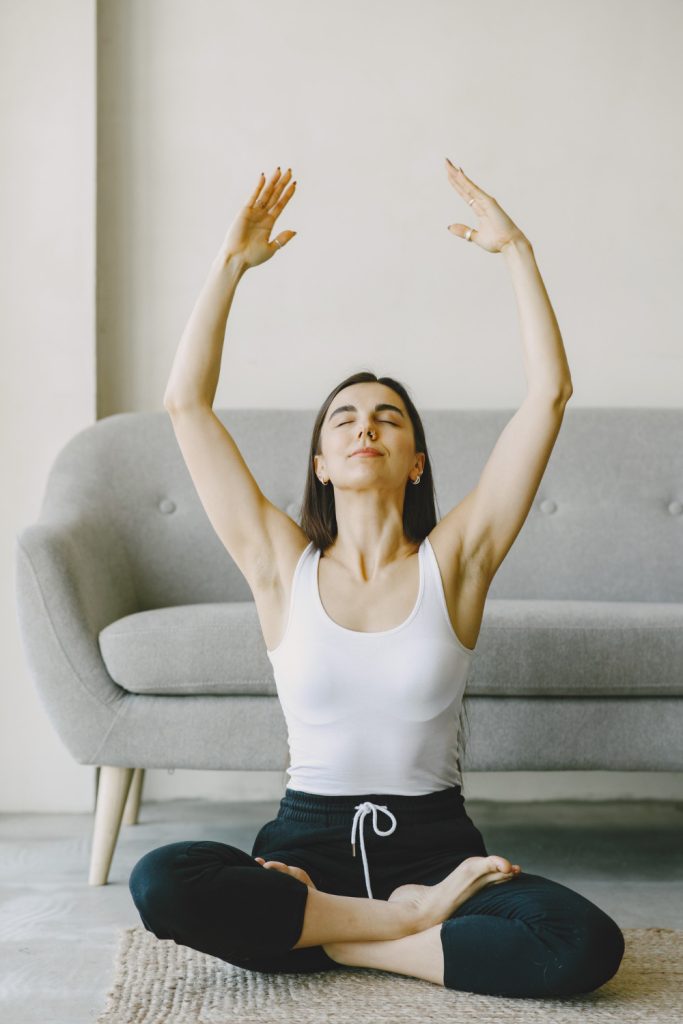
A lot of the time, we carry our mental weight right in our body. Stress makes you subconsciously hike up your shoulders and clamp down on the muscles in your neck. Then you get tension headaches, plus that stiff, locked feeling. Mindful practices, like deep breathing, progressive muscle relaxation, or yoga, can interrupt the whole pattern . When your mind quiets down, your shoulders and neck tend to let go of that rigid holding. You stop bracing without even realizing you are doing it, and that helps the area settle down.

When it comes time to Seek Professional Guidance
Even though self-care can be, really, powerful… there are a few moments where professional help is simply needed. If your symptoms come with numbness or that tingling sensation in your arms, or if you also notice a fever, don’t try to self diagnose. Reaching out to a physical therapist or a medical professional, is often the right move because they can map out a tailored path for neck pain relief that fits your exact health history, and not just a generic guide.
Cultivating long term wellness
Really getting steady neck pain relief isn’t just about one quick fix, it’s about sticking to preventative routines. When you focus on posture and everyday motion , plus stress management, you end up with a tougher body that can manage the realities of modern life. The real trick is consistency, because those small changes you keep doing, even when you don’t notice them right away , add up later. As these habits sink in you may notice that the lingering ache quiets down, and then you can go through your day with a fresh sense of mobility and energy.
Conclusion
Getting long lasting neck pain relief can feel like this real, empowering journey where you’re paying closer attention to the way your body sits and works, but also doing it with daily mindfulness. If you refine your workspace , add some gentle movement during the day, and learn to manage emotional stress along the way, you start moving past only treating symptoms and you get closer to actual physical well being. Just remember your spine is basically your body’s lifeline, so treat it with care and consistency, it really helps to keep the future less about restriction and more about mobility.