Stress Relief and Better Sleep: Simple Daily Habits That Help You Feel Calmer

It usually happens at 2 a.m. You are tired, your body is ready to sleep, and your brain decides this is the perfect time to replay a conversation from Tuesday and plan next month’s bills. The next day you feel drained, a little snappy and more stressed than before. Then night comes round again, and the cycle repeats.
If that sounds familiar, you are in very large company. Stress and sleep are closely linked, and each one makes the other worse. The encouraging part is that small, ordinary habits can improve both. This guide walks through why the cycle happens, how to calm your mind in the moment, how to set up a better bedtime and where wellness products might genuinely help.
How Stress and Sleep Feed Each Other
Understanding the loop makes it easier to break.
What Stress Does to Your Body at Night
When you feel under pressure, your body releases stress hormones such as cortisol and adrenaline. These keep you alert, which is useful in an emergency but not when you are trying to drift off. Your heart rate stays higher, your muscles stay tense and your thoughts race.
What Poor Sleep Does to Stress
A bad night makes the next day harder. You are more irritable, less patient and more sensitive to small problems. Tired brains also find it harder to regulate emotions, so ordinary stress feels bigger. That raises stress again by evening, and the loop continues.
How Common Is It?
The US Centers for Disease Control and Prevention reports that about one in three adults does not get enough sleep. Search interest tells a similar story, with terms like “stress relief” and “how to reduce stress” each drawing around 14,800 searches a month in the US. Plenty of people are looking for answers.
Calm Your Mind First: Simple Techniques That Work
You do not need an hour of free time or any special equipment. Short, regular practice is more helpful than occasional long sessions.
Try Meditation for Stress Relief
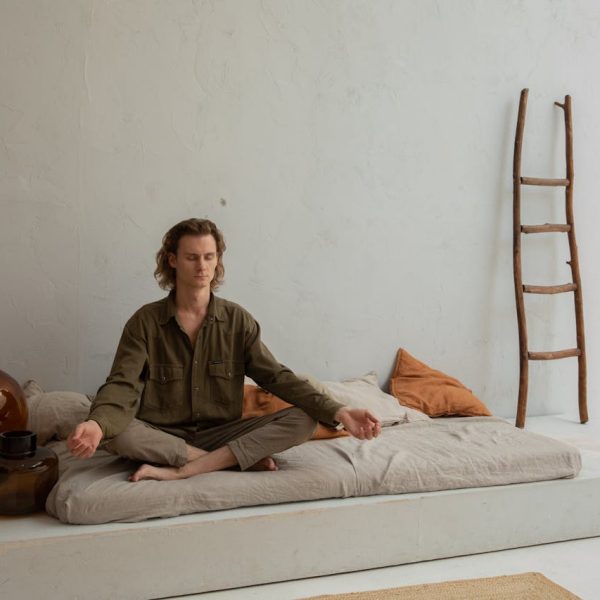
Meditation trains your attention to settle, and it does not have to be fancy. Sit comfortably, close your eyes and follow your breath for five minutes. When your mind wanders, which it will, gently bring it back. If you are new to it, starting with a short guide to meditation for stress relief can make the first week much easier. Many people find guided audio helpful at first.
Use Your Breath as a Reset Button
Slow breathing signals your body that it is safe to relax. Try breathing in through your nose for a count of four, holding for a moment and breathing out slowly for a count of six. Repeat for a few minutes. Longer exhales tend to feel especially calming.
A Two Minute Reset
Put one hand on your belly. Breathe in slowly so your hand rises, then out so it falls. Keep your shoulders loose. Do ten slow breaths and notice how your body feels afterwards.
Move Your Body
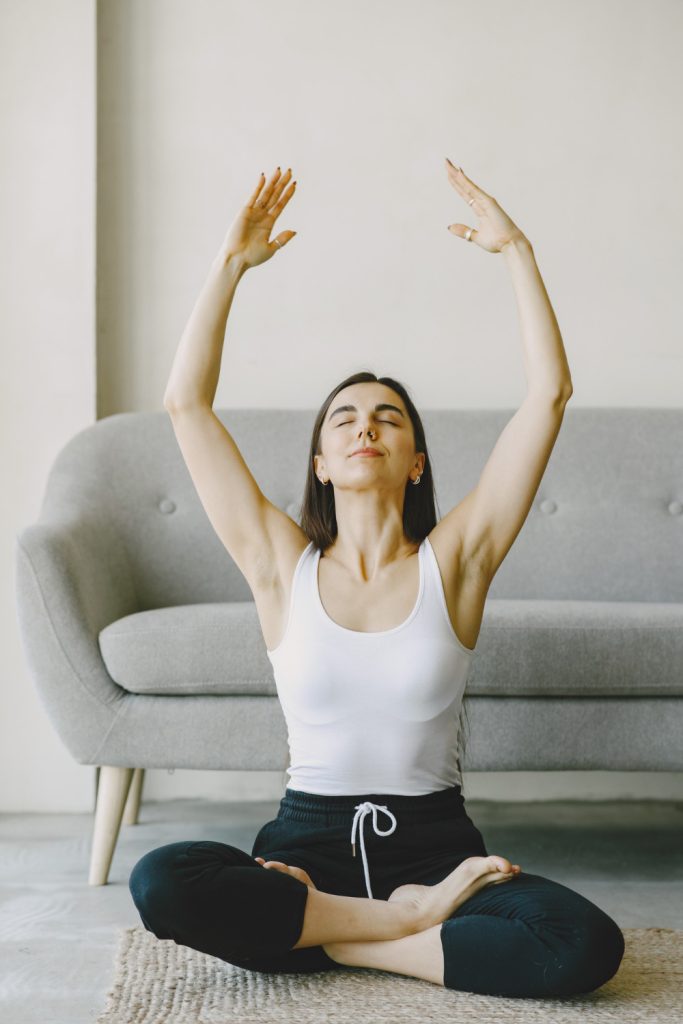
A walk, gentle stretching or yoga helps burn off stress energy. Exercise earlier in the day is generally best for sleep, though many people sleep well after an evening stretch or a light walk.
Stress Relief on the Go: Quick Tricks for Busy Days
Life does not pause for a meditation cushion. Sometimes you need a fast way to settle down in a meeting, a queue or a crowded train.
Pocket Sized Calming Habits
These are small techniques you can use almost anywhere. Take three slow breaths before you open an email you dread. Drop your shoulders and unclench your jaw. Press your feet into the floor and notice how it feels. Take a sip of water. Look out of a window and name five things you can see. If you want more ideas, the post on stress relief on the go has plenty of quick hacks that fit into a busy schedule.
Create Small Breaks
Try a five minute break every couple of hours. Step outside, stretch or make a drink without your phone. Short pauses reduce the build up of tension, so it does not follow you into the evening.
Write It Down
If worries keep circling, spend five minutes before dinner or bedtime writing a short list of what is on your mind and one small next step for each. Getting thoughts onto paper can stop your brain from rehearsing them at midnight.
Build a Bedtime Routine That Signals It Is Time to Sleep
Your brain loves patterns. A steady wind down routine tells it that sleep is coming.
Keep a Regular Schedule
Go to bed and wake up around the same time each day, including weekends where possible. A steady body clock makes falling asleep easier and helps you wake up feeling better.
Create a Wind Down Hour
About an hour before bed, dim the lights, put your phone away and do something calm. Read a book, take a warm shower, stretch gently, listen to quiet music or do a few minutes of breathing. Avoid emotionally intense emails, news or work chats late at night.
Set Up Your Bedroom
A cool, dark and quiet room is best for most people. Many sleep specialists suggest a temperature around 18 to 20 degrees Celsius, which is roughly 65 to 68 degrees Fahrenheit. Use blackout curtains or an eye mask if light bothers you, and earplugs or a soft background sound if noise does.
Watch Caffeine, Alcohol and Big Meals
Caffeine can stay in your system for hours, so many people sleep better if they cut it off by early afternoon. Alcohol may make you feel sleepy, but it often disrupts sleep later in the night. Heavy meals close to bedtime can also make it harder to settle.
Wellness Products That May Help You Sleep

There is no shortage of products that promise a better night. Some can be useful tools, as long as you keep your expectations realistic.
What Can Be Worth Trying
Browsing wellness products for better sleep can help you find things that suit your routine. Popular options include blackout curtains, comfortable pillows and bedding, eye masks, white noise machines or apps, weighted blankets, herbal teas such as chamomile and calming aromas like lavender. Many people find these create a more relaxing environment, even when the scientific evidence for individual items is modest.
Supplements Deserve Extra Care
Supplements such as melatonin, magnesium or herbal blends are widely sold, but they are not right for everyone. Doses, quality and interactions with medication vary. Talk to a doctor or pharmacist before you start any supplement, especially if you are pregnant, take regular medication or have a health condition.
Be Realistic About Claims
No product replaces a regular routine, daylight, movement and a calm mind. If a label promises to cure insomnia overnight, be sceptical. Choose products with clear ingredient lists and a fair return policy.
A Simple Rule for Buying
Try one change at a time for a couple of weeks. If you change five things at once, you will not know which one helped.
Handling Holiday and Seasonal Stress
This time of year can be especially tough. Busy schedules, family pressure, travel, money worries and shorter daylight hours all pile on. Protect your sleep by keeping a regular bedtime where you can, saying no to extras that drain you, spending time outside in daylight and leaving room in the day for rest. Doing a little less is allowed.
When to Get Extra Help
Self help habits work well for everyday stress, but they are not a substitute for professional care when you need it. Speak to a doctor or mental health professional if trouble sleeping lasts for weeks, you feel constantly anxious or low, stress is affecting your work or relationships, or you rely on alcohol or other substances to cope. If you ever feel unsafe or have thoughts of harming yourself, contact local emergency services or a crisis line straight away. You do not have to cope with it alone.
Common Mistakes to Avoid
The usual ones are scrolling in bed, relying on caffeine to power through, using alcohol as a sleep aid, expecting instant results, trying to fix everything at once and getting more stressed about not sleeping. Lying awake and watching the clock tends to make things worse. If you cannot sleep after what feels like twenty minutes, get up, do something quiet in dim light and go back to bed when you feel sleepy.
A Simple One Week Reset
On day one, set a regular wake time. On day two, do five minutes of slow breathing. On day three, put away screens an hour before bed. On day four, take a short walk in daylight. On day five, tidy and cool your bedroom. On day six, write a short worry list before dinner. On day seven, review what helped and keep those habits. Small steps, repeated, are what change your nights.
Final Thoughts
Stress and sleep are tangled together, but you can start untangling them with a few gentle habits. Calm your mind with breathing or meditation, use quick resets during the day, give your body a steady bedtime routine and choose sleep products carefully. Be patient, because good sleep is built over days and weeks, not in one night. Start with one small change tonight.
Frequently Asked Questions About Stress Relief and Sleep
1. What is the fastest way to relieve stress?
Slow breathing is one of the fastest options. Breathe in for a count of four and out for a count of six for a few minutes. Taking a short walk or stepping away from the stressful situation can also help.
2. Does meditation really help with stress and sleep?
Many people find regular meditation helps them feel calmer, and relaxation techniques that activate the body’s relaxation response are linked with better sleep. Results vary, and even five minutes a day is a good start.
3. How much sleep do I need?
Most adults do best with about seven to nine hours a night. Needs vary a little from person to person, so notice how you feel during the day.
4. Are wellness products for sleep worth buying?
Some can help you build a calmer sleep setup, such as blackout curtains, eye masks, white noise or comfortable bedding. Evidence for individual items varies, so treat them as helpers, not cures, and check with a doctor before taking supplements.
5. When should I see a doctor about sleep or stress?
If problems last for several weeks, affect your daily life, come with ongoing anxiety or low mood, or you rely on alcohol or substances to cope, speak to a doctor or mental health professional.