Why ABA Therapy for Autism Is a Life-Changing Approach

Raising a child with autism comes with unique challenges and equally unique opportunities for growth. Parents often search for therapies that are not only effective but also compassionate and personalized. One approach that continues to stand out is ABA therapy for autism, known for its structured, research-backed methods that support meaningful development.
This therapy focuses on helping children build essential life skills in a way that feels natural and achievable. By addressing communication, behavior, and social interaction, ABA therapy empowers children to thrive in everyday situations and prepares them for long-term success.
Applied Behavior Analysis is a method that examines how behavior works and how it can be influenced positively. The therapy is rooted in the idea that behaviors can be taught, strengthened, or modified through consistent practice and reinforcement.
In real-life sessions, therapists observe how a child responds to different situations. They then use this information to create targeted strategies that encourage positive actions. For instance, if a child struggles with following instructions, the therapist may break the task into smaller steps and reward each successful attempt.
Over time, these small improvements add up to significant progress. Children begin to understand expectations, respond more effectively, and gain confidence in their abilities.
The Importance of Consistency in Therapy
Consistency plays a vital role in the success of ABA therapy. Children with autism often benefit from predictable routines and structured environments. When therapy is consistent, it reinforces learning and helps children retain new skills.
Therapists ensure that each session follows a clear plan while remaining flexible enough to adapt to the child’s needs. This balance allows children to feel secure while also encouraging growth.
Families are also encouraged to maintain consistency at home. When the same strategies are used both in therapy and daily life, children are more likely to apply what they have learned in different situations.
How ABA Therapy Builds Communication Skills
Communication is one of the most important areas addressed in ABA therapy. Many children with autism face challenges in expressing their needs or understanding others.
Therapists work on developing communication step by step. Some children may start with simple gestures, while others may use visual tools or verbal language. The goal is to find the most effective method for each child and build from there.
As communication improves, children experience less frustration and greater independence. They are better able to connect with others, which enhances their overall quality of life.
Encouraging Positive Behavior Through Reinforcement
A key principle of ABA therapy is positive reinforcement. This means rewarding desired behaviors to encourage their repetition.
For example, if a child successfully completes a task or follows instructions, they may receive praise or a small reward. This creates a positive association with the behavior, making it more likely to occur again.
Over time, children learn which behaviors lead to positive outcomes. This understanding helps reduce challenging behaviors and promotes a more balanced and supportive environment.
Individualized Programs for Unique Needs
Every child with autism is different, and ABA therapy reflects this diversity. Programs are carefully tailored to address each child’s specific strengths and challenges.
At Riley ABA & Autism Center, therapists begin with a detailed assessment to understand the child’s developmental level and learning style. Based on this information, a personalized plan is created that focuses on achievable and meaningful goals.
As the child progresses, the program evolves to match their growth. This ensures that therapy remains relevant and effective at every stage.
During the journey, families may also consider options like Autism behavioral therapy Kansas City to maintain continuity and access high-quality support across different environments. This helps reinforce progress and ensures that children continue to develop their skills consistently.
Social Skills and Everyday Learning
Beyond communication and behavior, ABA therapy also focuses on social and daily living skills. These include activities such as sharing, taking turns, and following routines.
Therapists use real-life scenarios to teach these skills, making learning practical and relatable. Children practice interacting with others, understanding social cues, and adapting to different situations.
Daily living skills, such as dressing or organizing tasks, are also introduced gradually. These abilities play a crucial role in building independence and confidence.
The Role of a Supportive Environment
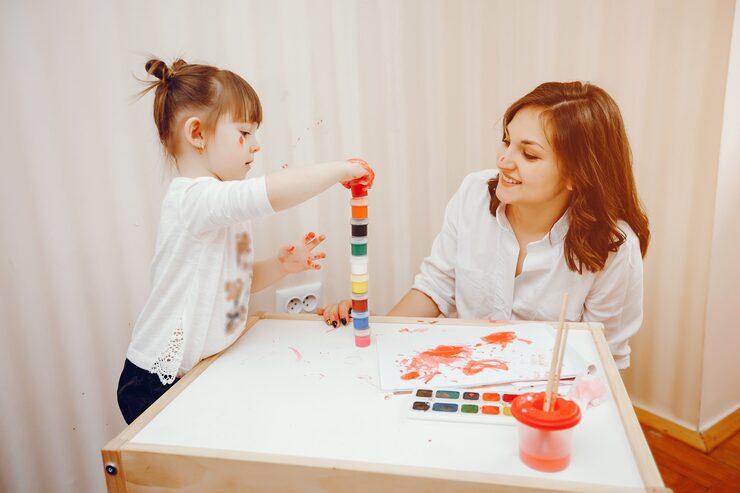
A supportive and nurturing environment is essential for effective therapy. Children need to feel comfortable and encouraged in order to learn and grow.
Centers like Riley ABA & Autism Center provide structured settings where children can focus on their development without unnecessary distractions. At the same time, sessions are designed to be engaging and enjoyable, helping children stay motivated.
The combination of structure and compassion creates an environment where children can explore, learn, and succeed at their own pace.
Long-Term Impact of ABA Therapy
The benefits of ABA therapy extend far beyond childhood. By developing strong communication, social, and behavioral skills early on, children are better prepared for future challenges.
These skills contribute to success in school, relationships, and everyday life. As children grow, they become more independent and confident in their abilities.
Families also benefit from the therapy, gaining a better understanding of how to support their child’s development. This shared journey strengthens relationships and creates a more positive home environment.
Conclusion
ABA therapy offers a powerful and proven way to support children with autism. Its focus on structure, personalization, and positive reinforcement makes it one of the most effective approaches available today.
With the right guidance, consistent effort, and a supportive environment, children can achieve meaningful progress that transforms their lives. Riley ABA & Autism Center stands as an example of how compassionate care and evidence-based methods can work together to create lasting change.
Choosing ABA therapy is not just about addressing challenges; it is about unlocking potential and building a brighter future for every child.
FAQ
Is ABA therapy suitable for all children with autism
ABA therapy is highly adaptable and can be customized to suit different needs, making it suitable for a wide range of children on the autism spectrum.
How often should a child attend ABA therapy sessions
The frequency depends on the child’s needs, but many programs recommend several sessions per week for the best results.
Can parents be involved in ABA therapy
Yes, parent involvement is encouraged as it helps reinforce learned skills at home and supports the child’s overall development.