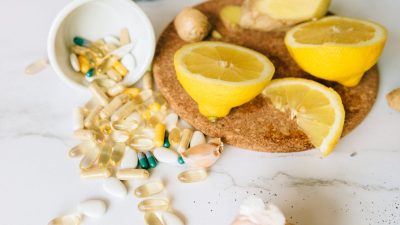
What are skin supplements and antioxidant supplements that help skin health?

More people are looking for skin supplements to help support healthy-looking skin from the inside out. Skin supplements Can contain vitamins, minerals, fatty acids, botanical ingredients, or other compounds, whereas antioxidant supplements are formulated to provide compounds that help manage oxidative processes in the body. But supplements are not a one-size-fits-all solution, and their effectiveness depends on the ingredient, dosage, individual needs and overall health.
What is Skin Supplement?
Skin supplements are dietary supplements marketed to help support skin health, such as hydration, appearance, elasticity, or nutrition. They might have nutrients or botanical ingredients, but the evidence for individual ingredients and products varies a lot. A supplement that helps with one nutritional need might not be the root cause of a different skin concern.
Many skin health products also contain common ingredients such as:
- Vitamin C
- Vitamin E
- Zinc (Zn)
- Vitamin D
- Collagen or collagen-like ingredients
- fatty acids, omega-3
- Carotenoids:
- Plant extracts
- Other vitamins, minerals and phytochemicals
Just because an ingredient is present doesn’t mean that more of it will improve the skin. The body needs certain nutrients, but taking too many supplements can sometimes have unwanted effects. According to the National Center for Complementary and Integrative Health, the evidence for supplements varies widely, and supplements may interact with medications or be dangerous in some situations.
What’s the link between antioxidant supplements and skin health?
Antioxidant supplements contain substances with antioxidant activity, but the effects are more complicated than just “fighting free radicals”. The body already has antioxidant defense systems. Antioxidants are also naturally present in foods such as fruits, vegetables, and grains. Taking concentrated supplements is not necessarily the same thing as taking antioxidants in food.
Oxidative stress is a condition when the body does not have enough protective mechanisms to counteract the reactive substances. These processes are controlled by antioxidants. But not all antioxidants are created equal, and high dose doesn’t necessarily mean better.
Of interest to nutrition and skin research are antioxidant compounds including:
- Vitamin C,
- Vitamin E
- Carotenoides
- Polyphenols
- Selenium.
- Other compounds from plants
This is why antioxidant supplements need to be treated on a case-by-case basis, rather than lumped together with one general effect.
Can you improve the look of your skin with skin supplements?
Some skin supplements might support some aspects of skin health, but the evidence is quite mixed and varies by ingredient and specific skin issues. Oral supplements for skin conditions have shown mixed results in research, and many of the commonly promoted supplements lack enough evidence for broad claims.
For example, the National Center for Complementary and Integrative Health notes that evidence for vitamins, minerals and herbal supplements in several skin conditions is limited or inconsistent. The American Academy of Dermatology guidelines for atopic dermatitis do not recommend several supplements that are often promoted due to inconsistent or inadequate evidence.
There are other reasons as well for skin problems. Acne, dryness, pigmentary changes, irritation, and signs of aging should not be assumed to be the result of a nutritional deficiency.
One helpful way to proceed is to identify the concern and then determine whether or not it is actually related to nutritional support.
What are the most common nutrients in skin supplements?
Skin supplements contain different nutrients and botanical ingredients depending on the product. Some nutrients are needed for normal body processes, including those needed for healthy skin, but supplementation is most relevant when dietary intake or individual circumstances dictate.
Vitamin C, Biotin
Vitamin C is an antioxidant and an essential nutrient. It is found naturally in many fruits and vegetables and is also available as a dietary supplement.
Vitamin E (tocopherol)
Vitamin E is another antioxidant nutrient in foods and supplements. However, taking large amounts of vitamin E may not be helpful and may increase some risks, including the risk of bleeding and interactions with some medications.
Zinc.
Zinc is an essential mineral that participates in many biological processes. You’ll get it from meat, seafood, dairy products, nuts, and legumes. The decision to supplement will depend on the individual’s nutritional status and circumstances.
Omega 3 Fatty Acids
Omega-3 fatty acids are present in foods like fatty fish and certain plant foods. Fish oil and other omega-3 supplements are also widely available, though the evidence for their usefulness varies according to the specific skin condition in question.
The important thing to understand is that an ingredient in a skin supplement doesn’t mean the final product will provide meaningful benefits for all individuals.
Are antioxidant supplements more effective than high antioxidant foods?
Not really no. Antioxidants are found naturally in a varied diet of fruits, vegetables, grains, legumes, nuts and other nutrient-rich foods. Studies have not demonstrated that concentrated antioxidant supplements provide the same benefits across the board as eating foods rich in antioxidants.
The NCCIH states that foods containing antioxidants might offer benefits that cannot always be achieved by isolated compounds in supplement form. High doses of antioxidant supplements may also have different effects than the small amounts found naturally in foods.
Thus, a food-first approach can be an important basis for nutritional support.
Foods that are rich in antioxidants include:
- BERRRIES AND OTHER FRUITS
- Green leafy vegetables
- Colorful vegetables.
- Seeds and nuts
- Pulses
- Whole grains
A healthy diet can offer a variety of nutrients and plant compounds instead of just one isolated ingredient.
When to Talk to a Doctor About Skin Supplements?
If you have specific nutritional concern, dietary restriction, persistent skin symptoms, or any other reason to consider supplementation, you might want to discuss skin supplements. Professional guidance can help determine whether a supplement fills an identified need or is just another product tacked onto an already complicated routine.
If you: Consider discussing supplementation if you
- Have a limited or restricted diet
- Concern that it might lead to a nutrient deficiency
- Have long-term or recurring skin problems
- Take your prescribed medicines
- Take several other supplements.
- Are pregnant or nursing
- Pre-existing medical condition
- Considering high-dose supplementation
Supplements can interact with medications and may not be suitable for everyone. When supplements are needed, the American Academy of Dermatology also suggests looking into product quality and independent verification.

How To Pick Skin Supplements?
But picking a skin supplement doesn’t have to be a matter of choosing the one with the most ingredients. The best place to start is to know what you are trying to address and if supplementation is appropriate for that goal.
Things to consider when you buy:
- Purpose: What health/nutritional issues are you addressing?
- Ingredients: Are the ingredients and amounts clearly identified?
- Evidence: Is there any credible research supporting the ingredients for intended use?
- Dosage: Is the dose sufficient rather than simply as high as possible?
- Interactions: Will the supplement interact with medications or other supplements?
- Quality: Does the manufacturer provide reliable information on product quality?
- Professional advice: Can a medical professional help advise if supplementation is right for you?
The American Academy of Dermatology points out that “supplements may not always contain standardized ingredients or dosages” and suggests seeking independent verification if you need to take supplements.
Can antioxidant supplements substitute for a healthy diet or skin care?
No. Antioxidant supplements should not be used in place of a healthy diet, proper skin care, sun protection, or medical assessment for problems that require professional medical advice.
Specifically, the NCCIH does not recommend that people use antioxidant supplements instead of eating a healthy diet or getting standard medical care. It also notes that high doses of some antioxidants may cause harm or interact with medications.
A more general approach to skin health may include:
- A healthy diet
- Drink enough water
- Regular physical activity
- Normal sleep cycle
- Sun protection, as required
- A proper skin care routine
- Evaluation of chronic skin disorders
- Targeted supplementation when needed
This approach acknowledges that more than one factor may affect skin health.
Why a Personalized Approach is Key for Skin Health
A personalized approach can help determine if it’s a nutritional need or a skin concern that requires a different type of assessment. Because skin symptoms can be associated with digestive, hormonal, metabolic, or other health issues, the bigger picture can offer helpful context.
For instance, a person with a restricted diet might have different nutritional considerations than someone with persistent acne or another diagnosed skin condition. Likewise, popping up a handful of supplements without a broader context can make it hard to tell which one is doing the trick.
Serene Natural Medicine offers root cause healthcare in the areas of gut, skin, hormonal and metabolic health with individualized support. This broader perspective is relevant for people who want to see their skin issues as part of their general health and not just rely on one supplement.
What to know before taking skin or antioxidant supplements?
Before embarking on a new supplement, it is useful to consider why you are taking it, what evidence supports its use and if it is appropriate for your individual circumstances.
Consider the following questions:
- What particular problem does this supplement attempt to solve?
- Is there a nutritional reason for me to take it?
- Is there evidence for this ingredient for the use I want it for?
- What does is right?
- Would it interfere with my medicine?
- Will I Get This Nutrient from Other Supplements I Already Take?
- Can too many cause problems?
- Is the product independently verified or tested?
- How long should I continue using it before I reassess its usefulness?
These questions can help avoid unnecessary supplementation and foster a more informed approach to skin health.
Conclusion:
Skin supplements can be beneficial in some cases, but they are not a cure-all for every skin issue. Antioxidant supplements also need to be taken care of, because more is not always better and concentrated nutrients may behave differently to nutrients obtained from food.
A thoughtful approach starts with the identification of the underlying concern, consideration of nutrition and lifestyle and whether there is a clear purpose to supplementation. For those wanting more of a root-cause perspective, personalized support can also be helpful as it can help bring skin health into alignment with gut, hormonal, metabolic and overall health considerations.
Common Questions
What are supplements for the skin?
Skin supplements are dietary supplements offered to support skin health or appearance. They may contain vitamins, minerals, fatty acids, amino acids, or herbal ingredients. The benefits depend on the ingredient, purpose, evidence, and person’s health needs.
What are antioxidant vitamins?
Antioxidant supplements are products that contain nutrients or other compounds with antioxidant activity, like vitamins C and E or some compounds derived from plants. Many foods naturally contain antioxidants, and taking supplements may not necessarily provide you with additional health benefits.
Are Skin Supplements Effective?
Certain supplements may be helpful in situations, but the evidence varies greatly based on the ingredient and the skin issue. For many supplements marketed for skin conditions, there is limited or inconsistent evidence, so they should not be considered working for everyone.
Are antioxidants supplements safe?
Not always. Some antioxidants can have side effects or interact with medications when taken in high doses. For example, large doses of vitamin E can increase the risk of bleeding, and large doses of vitamin C can cause digestive symptoms.
Should I take antioxidant supplements daily?
Not really. Whether you take it every day depends on what it is, how much you take, your diet, your state of health, medications, and why you are taking it. A healthcare professional can help you decide whether supplementation is right for you.
Which is better, nutrients from food or skin supplements?
Not always. Supplements provide concentrated selected ingredients, but a varied diet can deliver multiple nutrients and plant compounds together. Antioxidant supplements should not be routinely substituted for antioxidant-rich foods.
How should one select a skin supplement?
First, determine the specific problem you’re trying to solve, and whether or not a supplement is the best route to take. Before choosing a product, check ingredients, dosage, evidence, product quality, potential interactions, and your current diet and supplements.